


how to produce smog in Punjab
Smog is a pressing issue in many regions, including Punjab. It affects air quality and public health. Understanding how smog forms is crucial for addressing this problem.
In Punjab, smog results from various factors. These include industrial emissions, vehicle exhaust, and agricultural practices. Each contributes to the region’s air pollution.
Weather and geography also play a role. They can trap pollutants, worsening the smog situation. This makes it essential to consider these elements when tackling air quality issues.
Comparing air quality in Punjab with Oregon cities like Bend can offer insights. It highlights differences and similarities in pollution sources and impacts.
By exploring these aspects, we can better understand and address smog in Punjab.
Understanding Smog: What Is It and How Does It Form?
Smog is a mix of fog and smoke or pollutants. It reduces visibility and harms health. It’s a result of both man-made and natural processes.
The formation of smog involves several chemical reactions. These occur in the atmosphere when pollutants interact with sunlight. The process requires certain conditions to thrive.
The primary ingredients in smog are nitrogen oxides and volatile organic compounds. When exposed to sunlight, they create ground-level ozone. This pollutant is a key component of smog.
Factors contributing to smog formation include:
- Vehicle emissions
- Industrial discharges
- Agricultural fires
- Weather patterns
Understanding these elements is vital. It helps in crafting strategies to reduce smog levels. Knowledge empowers communities to combat air pollution effectively.

Key Factors Contributing to Smog in Punjab
Punjab’s smog problem is a persistent issue. Several factors contribute to this environmental concern. Understanding these elements is crucial for mitigation efforts.
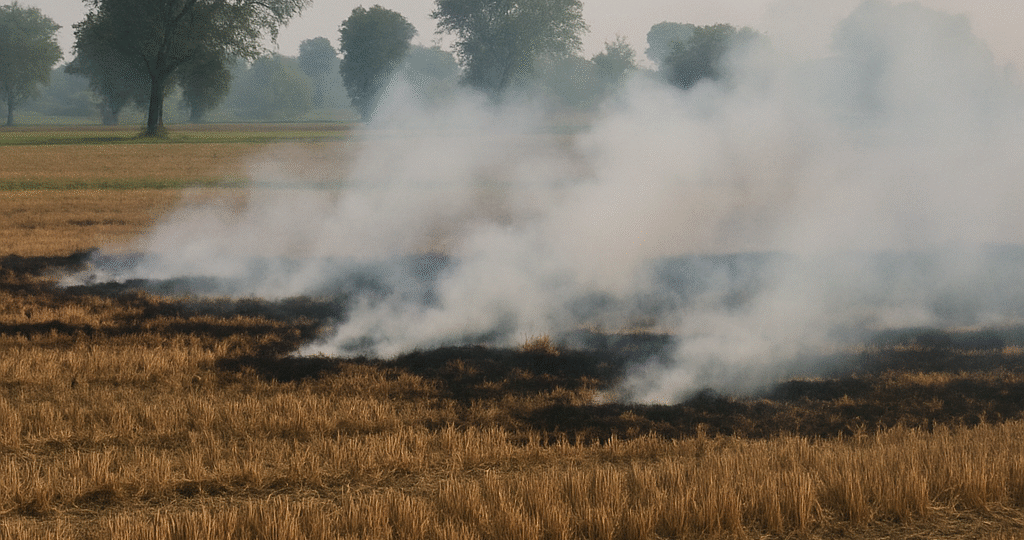
Agricultural practices play a significant role. The burning of crop residue, especially during harvest seasons, adds to smog levels. This method of clearing fields is quick but harmful.
Industrial emissions also contribute heavily. Factories release pollutants into the air. These emissions add to the smog and degrade air quality.
Additionally, vehicular pollution is a major contributor. With more vehicles on the road, exhaust emissions increase dramatically. This pollutes the atmosphere and worsens smog conditions.
In summary, the key factors include:
- Crop residue burning
- Industrial pollution
- Vehicular emissions
Addressing these factors is vital. Concerted efforts are needed to reduce smog in Punjab.

Common Sources of Air Pollution in Punjab
Air pollution in Punjab originates from various common sources. Identifying these is crucial for effective intervention strategies.
Transport is a significant contributor. Vehicles emit pollutants like nitrogen oxides and particulates. These contribute heavily to the deteriorating air quality.
Industrial activities add to the problem as well. Factories release numerous pollutants during manufacturing. This exacerbates the pollution levels in the region.
Agricultural activities cannot be ignored either. The practice of stubble burning is prevalent. It releases large amounts of pollutants quickly into the air.
Primary sources of pollution include:
- Vehicle emissions
- Industrial discharge
- Crop burning
Mitigation requires addressing each of these sources effectively. Stakeholders need to focus on sustainable solutions for these issues.

The Role of Weather and Geography in Smog Formation
Weather and geography play crucial roles in smog formation. In Punjab, seasonal weather patterns impact pollution levels. Wind speed and direction can disperse or concentrate pollutants.
Geography also influences air quality. Punjab’s plains are surrounded by mountains, which can trap pollutants. This leads to higher smog levels, especially during colder months.
Humidity levels further complicate the situation. Moist air can cause pollutants to adhere to particles in the atmosphere. This creates a denser, more persistent smog layer that affects visibility and health.

Comparing Air Quality: Punjab vs. Oregon Cities
Air quality varies significantly between Punjab and cities in Oregon. Urban and industrial growth in Punjab contributes to smog and pollution. In contrast, Oregon cities maintain better air quality through strict regulations.
Several factors affect air quality differently in these regions. Punjab faces intense agricultural activity leading to crop residue burning. This is a major pollution source, unlike in Oregon.
Meanwhile, cities like Bend, Oregon, have different pollution sources. Here, vehicle emissions and forest fires impact air quality. However, regulations help keep these in check.
Air Quality Indicators
- Punjab: High pollution during crop burning seasons.
- Bend, Oregon: Variable quality due to wildfires.
- Portland, Oregon: Efforts improve air purity.
Despite differing pollution sources, awareness and regulations play roles in managing air quality. Tools like AQI help track these changes. Understanding these differences aids in planning for cleaner air.

Monitoring Air Quality: Tools and Indexes
Monitoring air quality is crucial for public health and safety. Various tools help gauge pollution levels and provide insights. These tools use indexes to measure particulate matter and gaseous pollutants.
Air Quality Index (AQI) is a common standard. It tells the health risk associated with current air conditions. With AQI, you can decide if you need precautions on bad air days.
Different regions use varying indexes for specific needs. In the U.S., AQI covers multiple pollutants, while other areas may focus only on key concerns. Effective monitoring relies on technology and accurate readings to inform the public.
Essential Air Quality Monitoring Tools
- Portable air monitors
- Satellite imagery
- Ground-level AQI stations

Health Impacts of Smog and Poor Air Quality
Smog poses serious health risks to humans. Prolonged exposure can lead to respiratory issues. These issues include asthma and bronchitis, harming vulnerable groups.
Particulate matter in smog aggravates heart conditions. It contributes to increased hospitalization rates. Children and the elderly face higher risk levels.
Beyond immediate effects, smog impacts long-term health. Continuous exposure may increase the risk of chronic diseases. It’s essential to minimize exposure on days with poor air quality.
Adverse Health Effects of Smog
- Asthma aggravation
- Respiratory infections
- Heart disease exacerbation
Conclusion: Reducing Smog and Improving Air Quality
Addressing smog requires concerted efforts from all stakeholders. Implementing stricter emission controls is essential. Such measures can significantly improve air quality.
Community awareness and participation play vital roles. Through collective action, healthier air can be achieved. Investing in sustainable practices is crucial for long-term impact.
RELATED POSTS
View all


Dreo Space Heater, Portable Electric Heaters for Indoor Use
October 12, 2025 | by Product Hub

2025 Upgraded Mason Jar Vacuum Sealer, Electric Vacuum Sealer
October 15, 2025 | by Product Hub

Ringke Fusion Bold for iPhone 16 Pro Max Case, Textured Sides for Grip
October 12, 2025 | by Product Hub